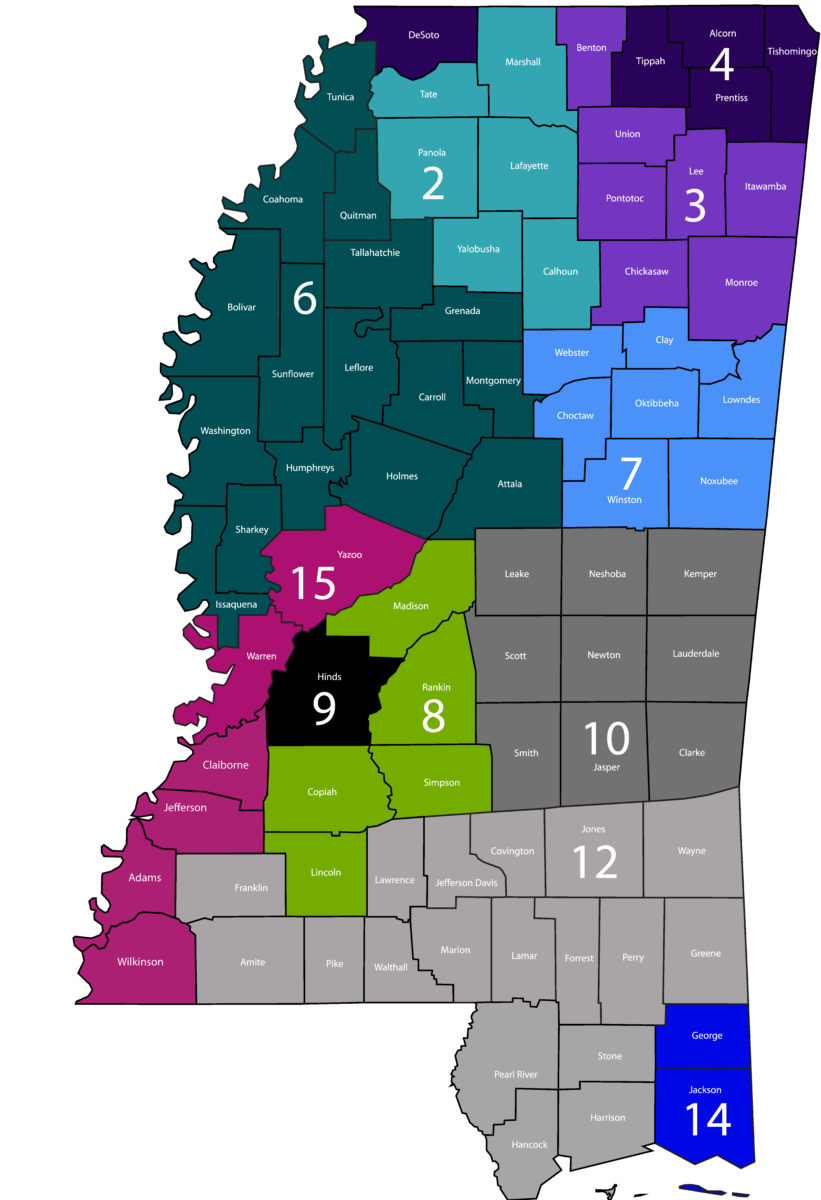
Early Intervention Services


Early Intervention/Child Development programs for children with developmental disabilities and their families are designed to enhance the development of infants, toddlers and young children with disabilities or children who are at risk for developing disabilities. The early intervention services are intended to promote development of intellectual, physical, emotional and social growth of children as well as provide support and educational opportunities to their families.

The existence of early intervention programs are designated in federal and state legislation. In 1986, the Education for all Handicapped Children's Act (Public Law 94-142) was amended to add rights for infants, toddlers and preschool children and their families. Prior to this historic legislation the Mississippi Department of Mental Health initiated the MATCH program (Mississippi Action for Teaching Children at Home). The primary focus of this program was serving young children with multiple disabilities in their home environment.

In 1990 the Education for all Handicapped Children Act was renamed Individuals with Disabilities Education Act (IDEA). The early intervention portion of the law was referred to as Part H-Early Intervention for Infants and Toddlers with Disabilities and their Families. Part H sought to enhance the development of infants and toddlers and minimize their potential for delay, reduce the need for special education services, enhance the capacity of the family to meet the needs of their infants and toddlers with special needs and to meet the needs of minority, low income, and rural and underserved populations. In the 1997 reauthorization of IDEA, Part H was changed to Part C. This change brought a new spirit to the law requiring more emphasis on at risk services, services in the natural environment, family needs assessment, and transition planning.

An important element of IDEA Part C is interagency collaboration. When Congress authorized Part C it was with the design that one agency could not meet the needs of all the infants/toddlers and their families. To aid in the collaboration efforts a gubernatorial appointed council is mandated for each state. The State Interagency Coordinating Council (SICC) goal is to advise and assist the lead agency on matters dealing with early intervention services provision. The composition of the SICC must include parents, public and private providers, a member or the Mississippi legislature, a member of institutions of higher learning, state agencies involved in early intervention and the state agency responsible for health insurance.

Primary Agencies

The primary agencies involved in early intervention service delivery are: the Mississippi Department of Health (First Steps Early Intervention Program), the lead agency for early intervention, the Mississippi Department of Mental Health, Mississippi Department of Education, and Office of the Governor, Division of Medicaid.

As the lead agency, the Mississippi Department of Health is responsible for: administering and supervising all programs and activities used to carry out the program; identifing and coordinating all available federal, state and private resources; assigning financial responsibility to appropriate agencies; developing procedures to resolve interagency disputes; and, entering into formal interagency agreements regarding each agency's responsibilities to pay for early intervention service.

Serving over 1000 children annually, the Mississippi Department of Mental Health is the largest service provider of early intervention services. Programs are offered through Boswell Regional Center, Ellisville State School, Hudspeth Regional Center, North Mississippi Regional Center, South Mississippi Regional Center, Delta Community Mental Health Services and Willowood Developmental Center. DMH early intervention programs offer comprehensive, multidisciplinary evaluations, and annual assessments as well as occupational therapy, physical therapy, speech/language therapy, developmental therapy, psychological services, family education and support, socialization, assistive technology and transition services.

The Office of the Governor, Division of Medicaid pays for the medically necessary services for persons determined to meet the Medicaid eligibility requirements. Services for which reimbursement is available are those approved by the Mississippi Medicaid State Plan for Medicaid services. Under the Early Periodic Screening Diagnosis and Treatment Program (EPSDT) reimbursement is available for services deemed necessary on the Individualized Family Service Plan (IFSP).

The Mississippi Department of Education is responsible for statewide coordination of the planning and implementation of the identification, location and evaluation of children with disabilities ages birth to 21. MDE assures the implementation of policies and procedures to a smooth transition of children exiting early intervention programs who are eligible for Part B services.

The mission of the statewide early intervention effort is to enhance the development of infants and toddlers with disabilities and developmental delays, and to enhance the capacity and abilities of their families to meet the special needs of these young children.


© Copyright 1974-2011 Mississippi Department of Mental Health. All Rights Reserved.
Mississippi Department of Mental Health Disclaimer


It is the policy of the Mississippi Department of Mental Health to comply with
federal and state laws assuring equal opportunities of employment and services.


Site Map